Firewall Misconfiguration Detection Tool with Cognifire. Identify security gaps, redundant rules, policy violations, and fix them instantly.
Understanding Firewall Misconfiguration and Its Critical Security Impact
Firewall misconfigurations are considered one of the most prevalent vulnerabilities in modern network security infrastructure. Organizations across industries are exposed to significant security risks when firewall rules are not properly configured, validated, and maintained. The consequences of inadequate firewall configuration extend far beyond simple connectivity issues; they represent a fundamental breach in network perimeter security that can be exploited by threat actors seeking unauthorized access to critical systems and sensitive data.
The complexity of firewall management has increased exponentially with the expansion of cloud environments, hybrid architectures, and distributed infrastructure. Enterprise networks today contain thousands of firewall rules spread across multiple devices from different vendors, each with its own rule syntax and configuration parameters. This intricate landscape has created an environment where misconfigurations are not merely possible but increasingly inevitable without proper detection mechanisms.
The Business Impact of Undetected Firewall Misconfigurations
When firewall rules are left misconfigured, the resulting security gaps can be exploited in numerous ways. Unauthorized access to internal networks becomes possible, confidential business information is exposed to theft, and regulatory compliance standards are violated. Furthermore, security teams operating without visibility into their firewall rule sets cannot effectively detect or respond to suspicious network activity that would otherwise trigger protective measures.
The financial consequences are equally significant. Costs associated with breach remediation, regulatory fines, reputational damage, and operational downtime can reach millions of dollars. These expenses are avoidable through proactive misconfiguration detection and remediation strategies.
Common Types of Firewall Misconfigurations That Leave Networks Vulnerable
Overly Permissive Rules and Unintended Access Paths
The most dangerous type of misconfiguration involves firewall rules that are overly permissive in nature. Rules that allow unrestricted access from external sources or permit traffic to unnecessary ports create unintended pathways that can be exploited by attackers. These rules are frequently implemented during emergency changes or troubleshooting situations when normal approval processes are bypassed in favor of speed.
Shadowed and Redundant Rules
Shadowed rules occur when one firewall rule renders another rule ineffective by matching the same traffic before it reaches the subsequent rule. As firewall rule bases accumulate over time, shadowed rules become increasingly common, creating confusion about which rules are actually in effect and which are dormant. Redundant rules further clutter the rule base without providing additional security value.
Conflicting Rules and Policy Violations
Conflicting rules within firewall configurations can lead to unpredictable behavior and security gaps. When rules contradict one another or violate established security policies, the intended security posture is undermined. Policy violations that go undetected can accumulate over time, gradually eroding network security standards.
Port State Mismatches
Mismatches between firewall port states and actual host port states represent a critical misconfiguration scenario. Traffic that is permitted to pass through a firewall port but is blocked at the host level creates confusion and operational problems. Conversely, firewall ports that deny traffic while corresponding host ports remain open can inadvertently expose services to unauthorized access.
Dead Rules and Configuration Drift
Rules that are no longer used accumulate in firewall configurations, creating operational clutter and increasing the attack surface. Configuration drift occurs when actual firewall configurations diverge from documented policies and security baselines. This drift happens gradually and often goes unnoticed without continuous monitoring.
Why Traditional Firewall Management Approaches Are Insufficient?
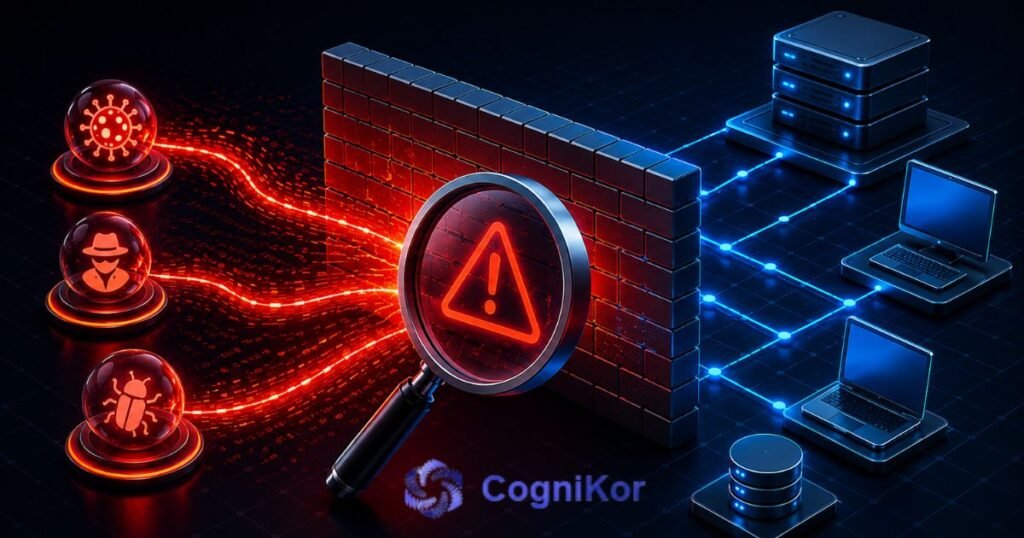
Manual firewall audits and reviews have become inadequate in today’s dynamic network environments. Security teams attempting to validate thousands of rules manually face insurmountable challenges in completeness and accuracy. Time constraints, human error, and the sheer volume of configurations make manual approaches impractical for modern enterprises.
Additionally, traditional periodic audit schedules fail to keep pace with the rate of change in modern infrastructure. Changes to firewall rules can occur multiple times per day in active network environments, yet manual audits might only be conducted quarterly or annually. This gap between change frequency and audit frequency allows misconfigurations to persist and be exploited.
Real Time Port State Validation
Effective detection systems perform continuous scanning to determine whether firewall port states align with actual host port states. Mismatches are identified and reported as potential misconfigurations, enabling rapid remediation. This methodology validates the correlation between intended firewall policy and actual network behavior.
How Cognifire Revolutionizes Firewall Misconfiguration Detection?
Cognifire represents a comprehensive solution specifically engineered to address the complex challenges of firewall misconfiguration detection in modern enterprise environments. The platform combines advanced semantic analysis, machine learning capabilities, and real time validation to provide organizations with unprecedented visibility into their firewall configurations.
Core Capabilities of Cognifire
Cognifire is built upon a foundation of intelligent rule analysis that automatically examines firewall rule bases to identify misconfigurations that would go unnoticed by human reviewers. The platform simultaneously analyzes firewall rules across multiple vendors and device types, providing unified visibility across heterogeneous network environments.
The solution identifies shadowed rules by analyzing rule ordering and matching conditions to determine which rules are effectively inactive. Redundant rules are detected through sophisticated pattern matching that recognizes rules performing identical or substantially overlapping functions. Overly permissive rules are flagged through analysis of access control parameters and comparison against established security policies.
Cognifire performs continuous policy validation against documented security baselines and industry standards. Rules that violate established security policies are immediately identified and flagged for review. The platform can be configured to enforce compliance with frameworks such as CIS Benchmarks, NERC CIP, and industry specific regulatory standards.
Real Time Configuration Drift Detection
Organizations utilizing Cognifire gain visibility into configuration drift as it occurs. The platform continuously compares actual firewall configurations against documented policies and approved change requests. Deviations from expected configurations are detected immediately, enabling security teams to respond before the drift can be exploited.
Automated Remediation Workflows
Cognifire incorporates guided and fully automated remediation capabilities that streamline the process of correcting identified misconfigurations. For many common misconfiguration scenarios, the platform can provide specific remediation recommendations or execute corrective actions directly. This capability transforms Cognifire from a detection tool into an active security control that continuously improves network security posture.
Complementary Solutions: Firekore for Comprehensive Firewall Security
While Cognifire excels at detecting misconfigurations, organizations benefit from a comprehensive approach that addresses the full spectrum of firewall security challenges. Firekore complements Cognifire by providing advanced firewall performance optimization and threat response capabilities.
How Firekore Enhances Network Security?
Firekore is engineered to work seamlessly with misconfiguration detection by enabling rapid response to identified issues. The platform provides detailed analysis of firewall rules, traffic patterns, and potential security impacts. When Cognifire identifies a misconfiguration, Firekore can be leveraged to understand the full context and implement targeted corrective measures.
Firekore addresses firewall rule optimization by analyzing actual traffic patterns against configured rules. Rules that are never utilized can be identified and removed, reducing configuration complexity and improving firewall performance. Conversely, traffic that is denied by firewall rules but required by business operations can be identified, enabling targeted rule modifications that maintain security while improving functionality.
Integration of Cognifire and Firekore
The integration of Cognifire and Firekore creates a complete firewall management and security platform. Cognifire identifies what is misconfigured, while Firekore enables understanding of why the misconfiguration occurred and how to remediate it most effectively. This combination transforms firewall security from a reactive, audit based approach into a continuous, intelligent control.
Advanced Detection Methodologies Employed by Modern Platforms
Multi Vendor Rule Analysis
Enterprises typically deploy firewall solutions from multiple vendors, each with proprietary rule syntax and configuration languages. Advanced platforms like Cognifire provide unified analysis across these heterogeneous environments through normalization of rules into common semantic representations. This capability enables consistent policy validation regardless of firewall vendor.
Risk Based Prioritization
Not all misconfigurations represent equivalent risk levels. Advanced detection platforms employ risk assessment methodologies that prioritize identified misconfigurations based on their potential security impact. Rules that expose critical assets or allow access from untrusted sources receive higher priority than configurations affecting less sensitive resources.
Behavioral Analysis and Traffic Pattern Correlation
Modern misconfiguration detection incorporates analysis of actual network traffic patterns to identify unusual access pathways created by misconfigured rules. Behavioral analysis establishes baseline network traffic patterns and flags anomalies that might indicate misconfigured rules allowing unexpected traffic flows.
The Limitations of Manual and Legacy Approaches
Organizations that continue to rely on manual firewall audits face significant limitations in their ability to detect and remediate misconfigurations. Manual reviews cannot keep pace with the frequency of configuration changes in modern environments. Human reviewers are subject to fatigue and may miss subtle misconfigurations, especially when reviewing complex rule bases containing thousands of rules.
Legacy firewall management tools often lack the sophistication necessary to detect subtle misconfigurations or correlate findings across multiple devices. These tools frequently operate in a disconnected manner, analyzing individual firewalls in isolation rather than considering policy across the entire network infrastructure.
Industry Trends in Firewall Configuration Management
Cloud Native Firewall Architectures
Cloud native firewall architectures are reshaping configuration paradigms through Firewall as a Service (FWaaS) solutions. These cloud delivered offerings often include built in configuration validation and continuous compliance monitoring. However, organizations must select FWaaS providers and firewall products that incorporate sophisticated misconfiguration detection capabilities.
Infrastructure as Code and Policy as Code Approaches
Infrastructure as Code (IaC) practices enable version control, automated testing, and peer review processes for firewall configurations. Policy as Code approaches formalize security policies in machine readable formats that can be enforced automatically. These methodologies create opportunities for catching misconfigurations early in development pipelines.
Zero Trust Architecture Principles
Zero Trust Architecture is fundamentally changing how organizations approach firewall policy design. This model requires verification of every access request regardless of source, necessitating firewall configurations that are far more granular than traditional perimeter based models. Cognifire and similar solutions support Zero Trust implementations by providing detailed visibility into access control policies and identifying misconfigurations that violate Zero Trust principles.
Selecting the Right Misconfiguration Detection Solution
Organizations evaluating firewall misconfiguration detection solutions should assess several key capabilities:
- Detection accuracy and the ability to identify subtle misconfigurations that manual audits might miss is paramount. The solution should analyze rules across multiple vendors and device types within heterogeneous environments. Real time detection and alerting capabilities ensure that issues are identified immediately rather than discovered during periodic audits.
- Automated remediation capabilities significantly improve security outcomes by enabling rapid response to identified issues. Integration with existing change management, ticketing, and security monitoring systems ensures that detection fits into established workflows. Comprehensive reporting features should support audit requirements and compliance initiatives.
- Solutions like Cognifire that combine sophisticated detection algorithms with intuitive interfaces enable security teams to effectively manage large firewall rule bases. The platform should provide sufficient visibility into detected issues so that teams understand not only what is misconfigured but why the misconfiguration occurred and what security impact it creates.
Measuring the Security and Operational Impact
Organizations implementing Cognifire for firewall misconfiguration detection should establish metrics to measure security improvements and operational benefits. The number of identified misconfigurations provides visibility into the scope of configuration issues. Remediation timelines measure how rapidly identified issues are addressed.
Reduction in security incidents related to firewall misconfigurations indicates the effectiveness of detection and remediation efforts. Compliance audit findings related to firewall configuration demonstrate whether the solution successfully addresses regulatory requirements. Operational efficiency improvements from removing dead rules and resolving configuration conflicts translate to improved firewall performance and reduced administrative burden.
FAQ’s
Most tools support major firewall platforms including Palo Alto Networks, Cisco ASA, Fortinet FortiGate, Juniper SRX, Check Point, Checkpoint, Huawei, F5 BIG-IP, and others. Cloud-native tools also detect misconfigurations in AWS Security Groups, Azure Network Security Groups, and Google Cloud Firewall rules. Check your specific firewall’s compatibility before purchasing.
Best practice is to run continuous or daily scans to catch new misconfigurations immediately. Many organizations perform weekly comprehensive scans and real-time monitoring for critical changes. After any firewall rule modification, policy update, or security incident, conduct an immediate scan to verify no new misconfigurations were introduced.
Yes, absolutely. Misconfiguration detection tools help organizations comply with frameworks like PCI-DSS, HIPAA, SOC 2, ISO 27001, and CIS Benchmarks. They generate detailed audit reports proving your firewall security posture, identify non-compliant configurations, and track remediation efforts—all valuable for compliance audits and certifications.
Look for features including multi-vendor firewall support, real-time alerting, detailed reporting, compliance framework alignment, integration with your SIEM system, customizable policies, policy comparison and versioning, role-based access control, and automation capabilities for remediation suggestions or automatic rule optimization.
These tools reduce attack surface by identifying and eliminating unnecessary access permissions, prevent accidental misconfigurations that create security holes, enforce consistent security policies across your infrastructure, provide visibility into all firewall rules and their purposes, enable faster incident response by identifying suspicious configurations, and help security teams prioritize remediation efforts based on risk severity.
Conclusion
Firewall misconfiguration represents a persistent and evolving security challenge that organizations cannot afford to ignore. The sophisticated, multi-layered network environments characteristic of modern enterprises require equally sophisticated detection and remediation approaches. Manual audit-based strategies are insufficient to maintain adequate security posture in these environments.
Cognifire addresses these challenges through advanced semantic analysis, machine learning driven insights, and continuous configuration validation. By providing comprehensive visibility into firewall configurations, identifying misconfigurations that would go unnoticed by human reviewers, and enabling rapid remediation, Cognifire transforms firewall security from a compliance checkbox into an active, intelligent security control.
The combination of Cognifire for detection and Firekore for response creates a complete platform for firewall security and configuration management. Together, these solutions enable organizations to maintain secure, compliant, and operationally efficient firewall infrastructures in increasingly complex network environments.
Organizations serious about network security must prioritize firewall misconfiguration detection and remediation. By implementing comprehensive solutions like Cognifire, enterprises can reduce their attack surface, improve compliance posture, and demonstrate to stakeholders that network security controls are functioning as intended.